How casinos shape cultural narratives across generations
Historical Context of Casinos
Casinos have long been a part of human culture, often reflecting the societal values and norms of their time. Originating in Italy during the Renaissance, these establishments were initially social hubs where people gathered to play games of chance. Over the years, casinos evolved, incorporating local customs and practices, thus shaping cultural narratives that resonate with the communities they serve. Additionally, many people now turn to online options like https://pinupcasino-india.in/, expanding their engagement with this form of entertainment.
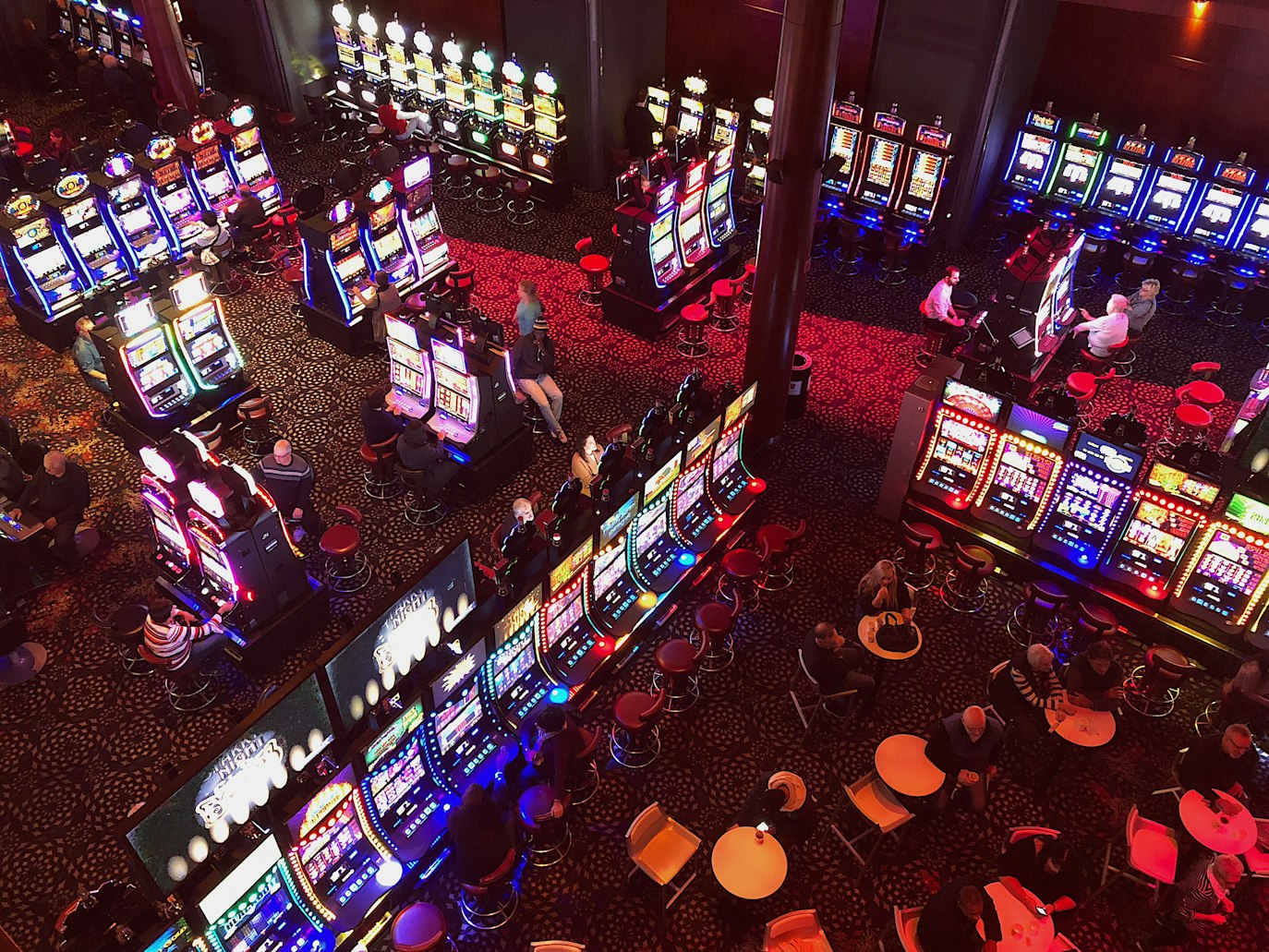
The portrayal of casinos in literature and film has further entrenched their significance in cultural narratives. From the glitz and glamour of Las Vegas to the underground gambling dens depicted in noir films, casinos embody a complex interplay of risk, reward, and social interaction. These narratives have contributed to a broader understanding of the human condition, exploring themes such as luck, ambition, and the desire for escapism.
Casinos and Social Identity
Casinos often serve as a reflection of social identity, particularly in regions where they are prevalent. They can symbolize wealth and success, offering a space for individuals to assert their status. The design, branding, and marketing of casinos often cater to specific demographics, reinforcing cultural narratives around class and privilege.
Moreover, the communal aspect of casinos fosters social bonds among players. Sharing a table or a gaming machine creates a sense of belonging, contributing to local traditions and social cohesion. This communal experience shapes cultural narratives that highlight the importance of connection and shared experiences, particularly across generations.
Technology’s Role in Evolution
The advent of technology has significantly transformed the casino landscape, altering how people engage with gambling. Online platforms have emerged, allowing players to access their favorite games from the comfort of their homes. This shift has not only broadened the audience for casinos but also influenced the cultural narrative surrounding gambling, emphasizing the impact of technology.
As technology continues to advance, casinos are adapting to incorporate virtual reality, augmented reality, and artificial intelligence. These innovations promise to enhance the gaming experience, offering immersive environments that engage players in ways previously unimaginable. This evolution continues to shape how society perceives gambling and its role in entertainment.
Economic Impact on Local Cultures
Casinos have a profound economic impact on local communities, often providing jobs and stimulating tourism. The revenue generated can lead to improvements in public infrastructure and community services, shaping cultural narratives around prosperity and opportunity. However, this economic influence can also lead to challenges, such as increased crime rates and addiction issues.
The dual nature of casinos as both economic engines and potential sources of societal harm creates rich narratives that explore the complexities of progress. As communities grapple with these challenges, the conversation surrounding casinos evolves, emphasizing the need for responsible gambling practices and community support systems.

Pin Up Casino: A Cultural Hub
As a leading online gambling platform, Pin Up Casino has embraced the cultural narratives associated with modern gaming. Tailored specifically for the Indian market, it offers an engaging gaming experience that resonates with local players. By providing a variety of games and localized support, Pin Up Casino reinforces the idea of connection and community within the digital landscape.
The platform also prioritizes safety and responsible gambling, creating a user-friendly environment that fosters enjoyment without compromising well-being. Through its initiatives and promotions, Pin Up Casino is not only a gaming site but also a cultural hub that continues to shape the narratives of gambling in contemporary society.
Comments are closed.